Vipavinee Artpradid
12 February 2019
As an audience researcher for the performing arts, you can guess I got pretty excited when Dr. Hetty Blades, Co-Investigator of the project Performing Inclusion, asked if I would like to join the team in Sri Lanka to help with the audience experience data collection. This was in view of the parallels between my PhD research at the Centre for Dance Research (C-DaRE; Coventry University) and the project, both of which explore how dance affects audience understandings and perspectives towards disability. I had once engaged dance as a form of activism and self-empowerment to facilitate the questioning of gender roles and expectations by audiences and teachers, so VisAbility’s work particularly appealed to me. Getting to work with local researchers to ensure the sustainability of similar projects in the future made the work even more meaningful.
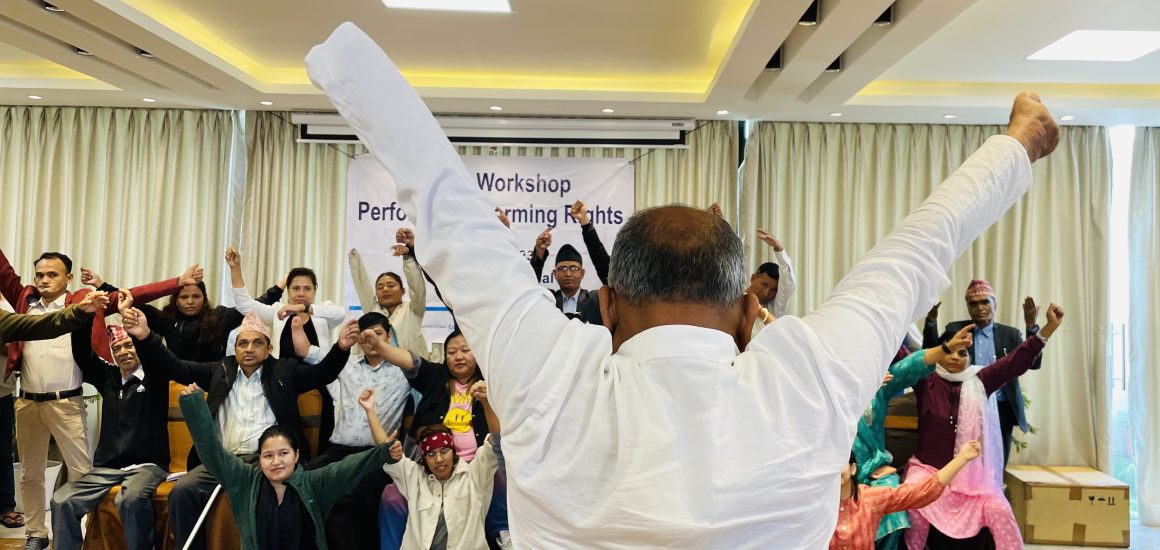
On Tuesday 12 February 2019, we held the first peer learning session with Sri Lankan researchers working with us on the project. The session was held at Miani Technical Institute just outside Batticaloa. It’s an amazingly peaceful place that was set up by a group of Somascan Fathers in the wake of the 2004 tsunami, which hit Batticaloa particularly hard.
The researchers working with us here are a very diverse group, ranging from a women’s rights activist to a recently graduated visual artist. Disappointingly, we don’t have anyone from the disability community though we had advertised the training through two organizations that conduct disability research.
Helena started us off by talking about VisAbility’s work in Sri Lanka since 2015 and then Lars introduced this new research project. He went on to provide a general overview of research methodology and then I focused in on audience research.
After giving an overview of the main audience research methods, we discussed the factors that determine which methodology to use. We also went through specific examples of each of these methodologies. We then went through the questionnaire and interview questions we would be using in the audience research that day, which included the version that one of the researchers had translated into Tamil.
As a group, we came up with a list of factors to consider when conducting audience research for the specific village we are working in – Kokkadicholai. We also went through informed consent and guiding questions for the brief post-performance interviews that the researchers would be conducting that afternoon.
What was perhaps most fun about the session was that the researchers would be applying what was discussed in the session the same day with the audience of a public dance performance by VisAbility participants.
The researchers also provided their cultural knowledge and expertise in translating and tweaking the surveys and questions to suit the local context.
There was also a very useful discussion about how we should talk about disability in a way that does not lead interviewees to adopt our terminology rather than their own. We all shared knowledge from our own work and lives, which is something that could not be found in any research methodology textbook!
 Performing/Informing Rights